
Diabetes damages your eyes, kidneys, and nerves silently, so you need regular checkups to catch problems early. You should get dilated eye exams annually, kidney function checked through eGFR and urine albumin testing, and thorough foot exams to detect nerve damage before symptoms appear. Blood tests like A1C and cholesterol panels track your overall risk. These screenings work together to protect you—keep going to see exactly how often you need each one.
TLDR Key Takeaways
- Annual dilated eye exams detect diabetic retinopathy early, preventing over 90% of vision loss.
- Annual urine albumin testing and eGFR monitoring catch kidney damage before symptoms appear.
- Complete annual foot exams with monofilament testing identify peripheral neuropathy and circulation problems early.
- Daily foot inspections and proper care habits prevent ulcers, infections, and slow-healing wounds.
- Report urgent symptoms—vision changes, numbness, or foot sores—immediately rather than waiting for scheduled visits.
Why Diabetes Checkups Matter for Long-Term Health
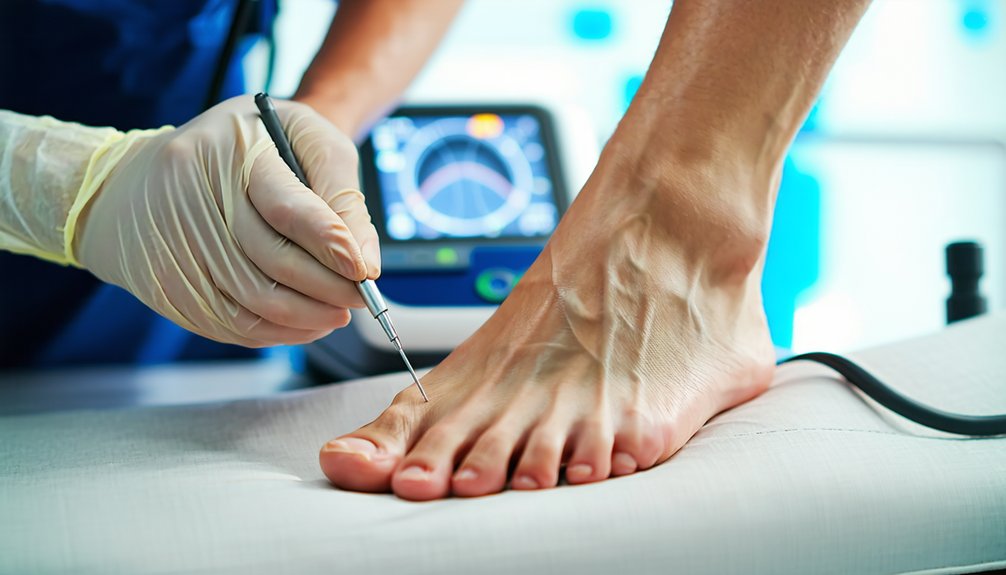
Because diabetes quietly damages organs long before symptoms appear, you can’t afford to skip your checkups. Regular screenings catch trouble in your kidneys, eyes, and nerves while it’s still reversible—this is how you stay in control, not the disease.
Routine visits do more than track numbers. You’ll get Lifestyle Counseling that fits your real life, helping you adjust habits before complications take hold. You’ll also gain access to Psychosocial Support, because managing diabetes isn’t just physical—it’s mental too, and you deserve care that treats you as a whole person.
Skipping checkups means flying blind. Showing up means catching glucose emergencies, kidney decline, and nerve damage early—before they steal your freedom, your mobility, or your independence. Your provider will also run key blood tests and screenings like A1C, fasting glucose, and a lipid panel to monitor progression and cardiovascular risk. Your kidney function should also be checked yearly using ACR and eGFR tests to catch early signs of kidney damage. Your eye doctor should also perform a professional eye exam at diagnosis and at least every two years afterward to catch retinopathy early.
How Often Should You Get a Diabetic Eye Exam?
Your eyes deserve the same vigilance you give your blood sugar readings.
Most people with diabetes need annual dilated exams, though you might qualify for every 1-2 years if your baseline exam shows no retinopathy. Type 1 diabetics get five years post-diagnosis before that first exam; Type 2 diabetics need one immediately, since silent disease progression may already affect your retina.
Once retinopathy appears, frequency tightens—every 3-6 months for moderate to severe cases, sometimes monthly for macular edema.
Pregnancy demands extra vigilance: pre-conception exam, first trimester check, third trimester follow-up.
Take control of this schedule. Ask your provider about telehealth monitoring options between visits, and verify your insurance coverage now—knowing your benefits means nothing stands between you and clear vision. A dilated eye test remains the only way to properly diagnose diabetic retinopathy, so don’t skip this step even if scheduling feels inconvenient. With early detection and proper treatment, more than 90% of diabetes-related vision loss can be avoided. Beyond scheduling, remember that early stages of diabetic eye disease often progress with few noticeable symptoms, making these exams essential even when your vision seems fine.
What an eGFR Test Reveals About Diabetic Kidney Health
Beneath the surface of every routine blood draw, an eGFR test quietly measures how many milliliters of blood your kidneys’ glomeruli filter per minute, revealing kidney function before symptoms ever appear.
Your results come from creatinine interpretation or cystatin monitoring, blended with your age, sex, and BMI—giving you a clear number, not a guess.
An eGFR of 90 or higher means you’re in the clear.
Between 60 and 89 signals early-stage disease worth watching.
Drop below 60 for three months, and you’re looking at chronic kidney disease. For diabetics, testing is especially important since diabetes is a major risk factor for developing chronic kidney disease.
Below 15 means kidney failure risk, often requiring dialysis or transplant to sustain life.
You deserve this clarity.
Knowing your number means you control your next move—whether that’s lifestyle shifts or closer monitoring—before damage takes hold. Your provider may also order additional tests, such as urine protein screening, to get a fuller picture of your kidney health.
Annual Urine Tests for Diabetic Nephropathy

Catching kidney damage early means testing your urine before symptoms ever surface. If you have type 2 diabetes, your doctor tests your urine albumin annually starting at diagnosis. With type 1, screening begins five years in, sooner if you’re dealing with hypertension or rocky blood sugar control.
The tool doing the work is UACR—the gold standard for spotting kidney stress. You’ll give a spot collection, either random or first-morning void, and results come back in mg/g. If numbers look abnormal, don’t panic yet: diagnosis requires two elevated readings out of three samples within 3-6 months. When results stay unclear, a 24-hour urine test offers protein confirmation. Already diagnosed with nephropathy? You’ll test twice yearly, taking command of your own data. Your doctor may also estimate your glomerular filtration rate from a blood creatinine test to further assess how well your kidneys are filtering. Left unchecked, this condition remains the most common cause of kidney failure worldwide.
Foot Exams That Catch Diabetic Nerve Damage Early
Every diabetic foot exam quietly hunts for nerve damage you can’t yet feel.
You need a complete exam at least once a year—more often if you’ve got nerve damage, poor circulation, or a history of ulcers. High-risk feet deserve checks at every visit.
Your provider tests four sites per foot with a 10-g monofilament, checking if you feel touch on 7 of 9 plantar points plus one on top.
Absent ankle reflexes signal trouble. This nerve testing is often paired with a tuning fork/VPT check and a pinprick test to confirm sensory loss.
Advanced tools like biothesiometry catch what basic screening misses. Nerve conduction studies and electromyography can also measure the electrical activity of nerves and muscles when deeper evaluation is needed.
Bunions or hammer toes rubbing against shoes? That’s your cue for shoe modifications before ulcers form.
Pair exams with sensory education—daily self-checks put you in control of catching problems early, on your terms. If you notice any warning signs like a blister, sore, or ingrown toenail, call your doctor immediately rather than waiting for your next scheduled appointment.
How to Spot Peripheral Neuropathy Before It Worsens
Peripheral neuropathy rarely announces itself with fanfare—it starts quietly in your toes and fingertips, then creeps upward if you ignore it.
You’ll notice tingling or numbness that doesn’t shift when you move, or burning pain unlike any muscle ache you’ve felt before. Allodynia—pain from light touch—is a clear warning sign.
Watch for weakness, poor balance, or cramps signaling motor nerve damage.
Don’t dismiss dizziness when standing or unusual heat intolerance; these point to autonomic involvement.
You don’t have to wait passively for answers. Wearable sensors can track changes in sensation and gait, giving you real data instead of guesswork.
Pair that with nutrition counseling to manage blood sugar and triglycerides. Diagnosis often includes an electromyogram to assess the electrical activity of muscles and nerves.
Catching these signs early keeps you in control, not sidelined by damage you could’ve caught sooner.
Daily Foot Care Habits Between Diabetes Checkups
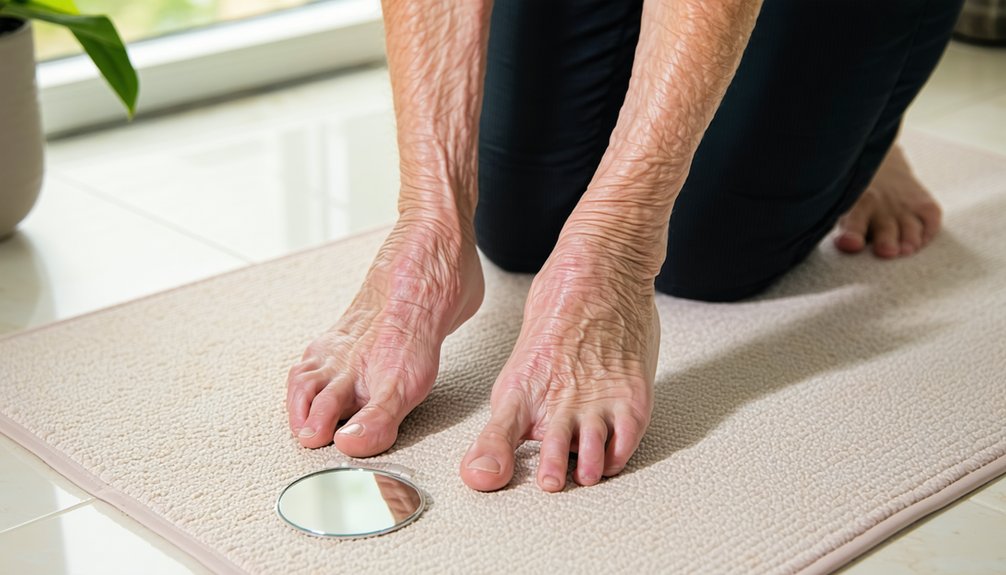
Spotting nerve damage early only pays off if you back it up with a daily routine that catches problems before they spiral.
Check your feet every day—use a mirror if you can’t see the bottom clearly, or ask family for help. Wash in lukewarm water, dry thoroughly between toes, then moisturize the tops and soles (skip between toes). Trim nails straight across. Never walk barefoot, even indoors.
Build a shoe rotation so pairs fully dry out and wear evenly, and inspect the interior before each use. In colder months, night socks keep feet warm without restricting circulation.
Wiggle your toes often, raise your feet when sitting, and skip DIY corn treatments—your independence depends on catching small issues before they become big ones.
Why Your HbA1c Number Matters So Much
Think of HbA1c as your three-month blood sugar report card—it doesn’t lie, and it doesn’t care about that one good week before your appointment.
This number reflects the percentage of hemoglobin coated with glucose, giving you a real average of your control.
Below 5.7% is normal, 5.7-6.4% signals prediabetes, and 6.5% or higher confirms diabetes.
Why does it matter so much? Because consistently high levels drive microvascular complications—retinopathy, nephropathy, nerve damage—and raise your risk for heart disease and stroke.
Here’s your power move: hemoglobin variability responds directly to lifestyle impact.
Losing 7-10% of body weight and moving 150 minutes weekly can shift your number.
You’re not stuck—your daily choices write the next report card.
Diabetes Targets for Blood Pressure and Cholesterol
Your HbA1c isn’t the only number that determines whether you keep your eyesight, kidney function, and nerve health intact. Blood pressure matters just as much.
Most people with diabetes should target below 140/90 mm Hg, but if you’re at high cardiovascular risk, have CKD, or show albuminuria, aim for below 130/80 mm Hg.
Age changes the equation too—under 80 means <140/90, while 80 and older means <150/90.
Cholesterol adherence is non-negotiable. Intensive blood pressure control cuts stroke risk by 17% and all-cause mortality by 10%, but it also raises adverse effects by 20%, so lipid monitoring and regular check-ins matter.
Own these numbers. They’re your advantage against complications, not just data points on a chart.
How Often to See Your Diabetes Care Team?

Regularly checking in with your diabetes care team isn’t a one-size-fits-all schedule—it hinges on how well you’re hitting your targets.
If your treatment goals aren’t met or you’ve just changed medications, plan on visits every 3 months.
Hitting your blood sugar targets consistently? Stretch that to every 6 months.
Managing well with no new symptoms? You can extend specialist visits to once a year.
Your primary care physician fits into this rhythm too—expect visits anywhere from 1 to 12 months, based on your complexity.
Take advantage of telehealth follow-ups to stay on track without disrupting your life, and set appointment alerts so nothing slips through the cracks.
Any complications or new symptoms? Reach out immediately—don’t wait it out.
Building Your Annual Diabetes Screening Schedule
Once you’ve settled on visit frequency, layer in the annual tests that catch complications before they escalate.
Your baseline schedule includes a dilated eye exam, kidney function test, complete foot check, cholesterol panel, and dental exam—each performed yearly, non-negotiable. Add a flu shot annually, plus hepatitis B or pneumonia vaccines if you qualify by age or vaccination history.
A yearly hearing check rounds out your core lineup.
You own this schedule, so make it work for you. Set appointment alerts now, before life gets busy—don’t wait for your provider’s office to chase you down.
Tackle insurance coordination early too: confirm coverage for each test so cost never becomes the reason you skip a screening that protects your independence and long-term health.
Red Flags That Mean You Need Checkups Sooner
While your annual schedule catches most issues, some symptoms can’t wait for a scheduled appointment. Tingling or numbness in your hands or feet signals early nerve damage—check daily for redness, calluses, or cracks, and call your provider immediately if skin breaks down.
Blurred vision, flashes, or dark spots demand faster action than your yearly eye exam. Slow-healing wounds and recurring infections mean high glucose is damaging blood vessels and immunity—don’t wait it out.
Unexplained fatigue, excessive thirst, and frequent urination point to glucose your cells can’t use. Add sleep disturbances and shifts in mental health to your watchlist too—both often accompany blood sugar swings.
Rapid weight changes or darkened skin patches also warrant sooner screening, not delayed monitoring.
Frequently Asked Questions
Will My Insurance Cover the Cost of These Diabetes Screenings and Tests?
Yes—your insurance coverage typically pays for eye exams, kidney tests, foot checks, and diabetes screenings if you’re high-risk. Some tests may carry out of pocket costs, so verify your specific plan’s deductibles and copayments directly.
Can I Do Any of These Diabetes Tests at Home Instead?
No—you can’t replace critical screenings at home. You control daily home glucose checks yourself, but retinopathy exams, urine dipstick for albumin, and nerve tests require a professional’s equipment and know-how. Protect your long-term health: book those checkups.
Should Children With Type 1 Diabetes Follow the Same Screening Schedule?
No, you won’t follow adult timelines. Juvenile screening accounts for pediatric growth, delaying eye and kidney checks until puberty or specific ages/durations hit. You’re not trapped by rigid rules—your schedule adapts to your child’s unique developmental stage.
Do Pregnancy and Diabetes Change How Often I Need Checkups?
Yes—pregnancy monitoring intensifies dramatically. You’ll get blood sugar checks four-plus times daily, retinal exams each trimester, and joint clinic visits every 1-2 weeks. Gestational management demands vigilance now, but it’s temporary: postpartum screening drops to every 6 weeks-6 months, then every 1-3 years. You’ve got this.
What Questions Should I Ask My Doctor During Appointments?
Ask about your eye, kidney, and nerve exam results, HbA1c targets, and medication adherence progress. Question needed lifestyle adjustments, screening frequency, and warning signs demanding urgent care. Push for clear answers—you deserve control over your own health decisions.
Conclusion
You don’t have to wait for complications to take control. Book your eye exam, eGFR test, urine screening, and foot check on schedule—not just when something feels wrong. Hit your blood pressure and cholesterol targets, and see your care team regularly. Watch for red flags between visits. These checkups aren’t optional extras; they’re your best defense against vision loss, kidney failure, and nerve damage. Stay proactive, stay ahead of diabetes.
References
- https://www.kidney.org/kidney-topics/diabetes-and-your-eyes-heart-nerves-feet-and-kidneys
- https://diabetes.org/living-with-diabetes/newly-diagnosed/health-checks-people-with-diabetes
- https://www.horizonblue.com/shbp/your-health/diabetes/screenings-you-need-if-you-have-diabetes-0
- https://www.ncbi.nlm.nih.gov/books/NBK582424/
- https://www.diabetes.org.uk/about-diabetes/looking-after-diabetes/care-to-expect
- https://www.diabetes.co.uk/diabetes-complications/screening-for-diabetic-complications.html
- https://www.ndss.com.au/wp-content/uploads/fact-sheets/fact-sheet-your-diabetes-annual-cycle-of-care.pdf
- https://medlineplus.gov/ency/patientinstructions/000082.htm
- https://www.oregon.gov/oha/ph/DiseasesConditions/ChronicDisease/Diabetes/resourcebank/Documents/diab10tests-color.pdf
- https://www.niddk.nih.gov/health-information/diabetes/overview/preventing-problems

