
Making healthy meals and movement easier starts with matching your effort to your schedule. Plan meals around your hardest days, shop with a route-based list, and stock your kitchen with grab-and-go staples. Batch-cook proteins and grains once, then mix them into quick lunches all week. Prioritize breakfast, break up sitting with micro-stretches, and order smarter when eating out. Small, anchored habits make it stick—keep going and you’ll find the exact steps that make this all click.
TLDR Key Takeaways
- Plan meals around your weekly schedule, matching simple recipes to busy days and involved cooking to lighter ones.
- Batch-cook proteins, grains, and roasted veggies on lighter days to build ready-made lunch bowls and dinners.
- Stock a grocery list three days ahead and organize shopping by store route to save time and stress.
- Keep healthy snacks visible and pre-portioned, pairing options like fruit with nut butter for quick energy.
- Anchor small movement habits, like a two-minute stretch, to existing routines to build consistency effortlessly.
Plan Your Weekly Meals Around a Busy Schedule
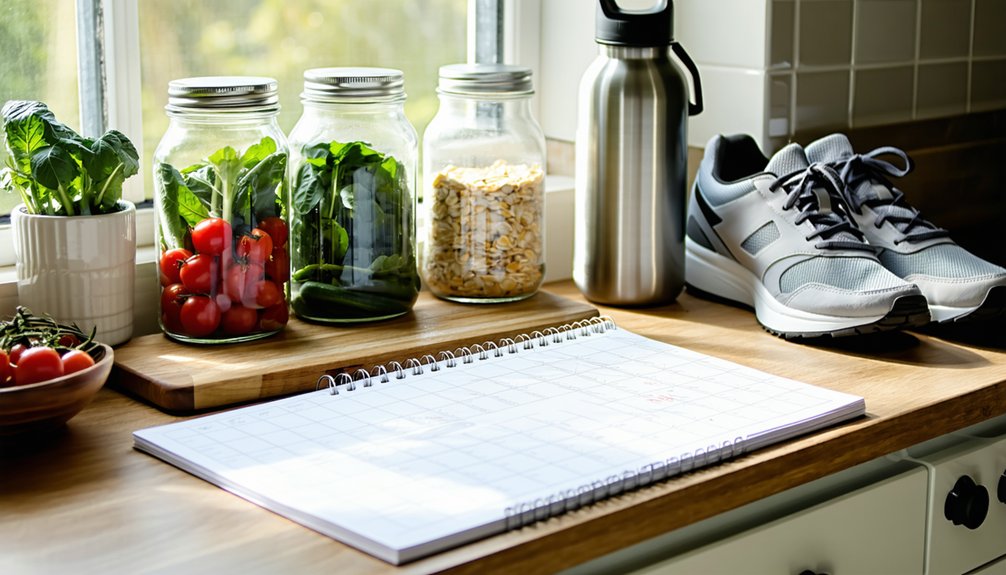
Before you plan a single meal, pull up your calendar. This calendar triage step matters most—scan for meetings, late shifts, or events that’ll wreck your usual mealtime. Mark those chaotic days directly in your plan’s notes, then match your effort to your schedule. On lighter days, batch-cook proteins or grains so you’re stocked for the tough ones ahead.
Choose activity-aware recipes based on what your week actually demands: simple, low-effort meals for high-intensity days, and more involved cooking when you’ve got breathing room. Don’t force elaborate dinners into an impossible Tuesday. Try to assign themed days like Meatless Mondays or Stir-Fry Fridays to simplify decision-making on busy weeks.
You don’t need a perfect system—you need one that bends with your life. Start by identifying your hardest days, then build backward. That’s how you stay fed without the stress. A 7-Day Meal Planner can help you map this out visually, so tough days and lighter days are easy to spot at a glance. Keeping a stocked pantry, spice drawer, and freezer also makes it easier to pull together meals quickly on the days your schedule falls apart.
Turn Grocery Shopping Into a Stress-Free Task
Map out your grocery run at home, not in the store aisles. Build your list three days ahead, tally meals by household size, and organize items by time saving routes through the store. Shop the perimeter first for whole foods, then circle back for pantry staples, saving refrigerated and frozen items for last.
Pick stress free timing—mid-week, early morning, or late evening—to dodge crowds and keep your pace steady. Park near the cart return for a fast exit. At checkout, group similar items and load heaviest first. If you truly want to compare prices, dedicate that effort to a single preferred store instead of hopping between multiple locations.
Once home, pack bags by storage zone, wash produce immediately, and portion snacks right away. Portioning larger snack containers into pre-portioned bags as soon as you unpack helps prevent mindless overeating later. If shopping ever feels overwhelming, try repeating a calming mantra to yourself as you move through the store. This system frees you from decision fatigue and turns shopping into a quick, controlled task—not a draining chore.
Stock a Kitchen That Sets You Up for Success
Clear out the clutter before you build a kitchen that works for you. Toss expired items, ditch overly processed foods, and donate what you won’t use. This clean slate frees up mental space for real decisions.
Stock nutrient-dense staples: grains, canned legumes, root vegetables, frozen fruits, and quick options like veggie burgers or stuffed pasta. Store them in designated zones so you always know where to look. Take stock of what remains after purging so you can create a solid inventory of what needs replacing.
Keep visible staples front and center—fruits, vegetables, and grains in clear containers at eye level—while hiding junk food out of sight. Position your knives, blender, and pans near your prep station for quick access. Consider adding canned fish like tuna, salmon, mussels, and sardines to your shelves as convenient, affordable omega-3–rich pantry proteins.
A kitchen built for accessibility removes friction. When healthy choices are easiest to grab, you stop relying on willpower and start relying on design.
Prep Once, Eat Well All Week Long
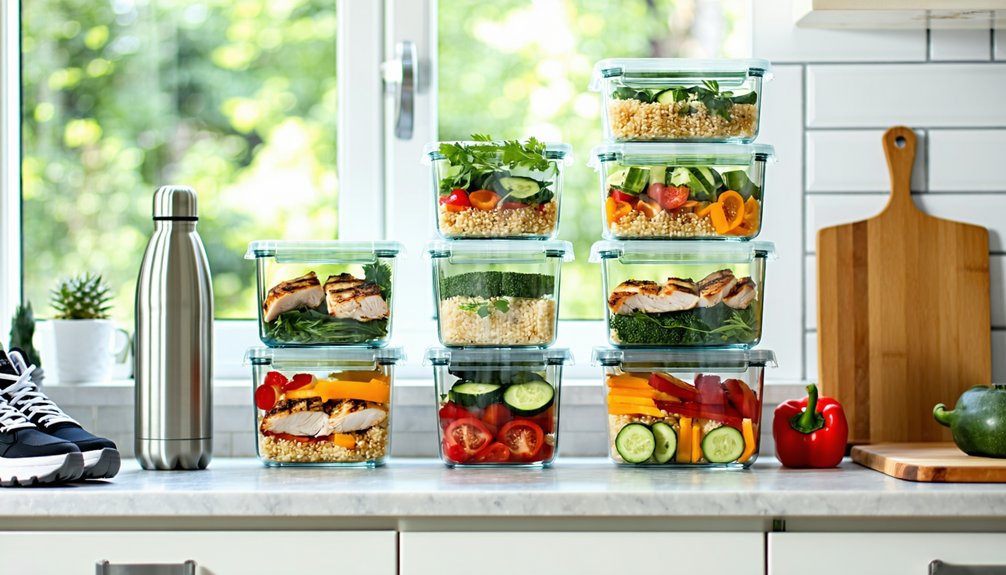
Once your kitchen’s organized and ready to go, it’s time to put that setup to work. Pick one designated day to pre-prep ingredients for the week, but don’t try to conquer every meal—start with 2–3 dinners or the one meal you struggle with most.
Meal batching is your best friend here: cook proteins, grains, and roasted veggies in bulk, then portion them into containers holding 2–3 servings. Freeze half to dodge monotony, and use flavor swaps—different sauces, spices, or sides—to keep the same base ingredients feeling fresh all week. Meal-prepped lunches like the White Bean, Tuna, and Roasted Pepper Salad rely on pantry staples such as canned beans and jarred peppers, making them effortless to assemble ahead of time.
Skip pre-cutting delicate items like herbs or potatoes, since produce like apples, bananas, and potatoes tends to brown when exposed to oxygen. Label everything with dates, rotate older meals forward, and set aside dinner portions immediately for next-day lunches. For a smart shortcut, try cutting a variety of vegetables ahead of time and storing them together in what’s known as a Weekly Bag of Veg. That’s freedom through preparation.
Make Breakfast a Non-Negotiable Priority
Too often, breakfast gets sacrificed first when mornings feel rushed—but that’s exactly backward. Skipping it disrupts your body’s natural fasting-eating rhythm and throws off metabolic timing for the entire day. Eating within an hour of waking maximizes calorie burn, stabilizes blood sugar, and sharpens your focus when you need it most.
You don’t need a sit-down meal to make this work. Portable breakfasts—like a banana with trail mix and milk, or overnight oats prepped the night before—free you from the myth that healthy eating requires extra time you don’t have. Aim for 30 grams of protein and 7-10 grams of fiber to stay full and energized until lunch.
Set your alarm 10-15 minutes earlier, or stash options at work. Non-negotiable doesn’t mean complicated—it means prioritized. Regular breakfast eaters are also more likely to meet recommended daily vitamin and mineral intakes. Skipping breakfast has even been linked to other risky behaviors, including smoking and substance use, in adolescents. Beyond weight and nutrient intake, studies have also connected skipping breakfast to hardening of the arteries and other cardiovascular risk factors.
Keep Healthy Snacks Simple and Within Reach
Snacking sabotages your healthy eating plan most often when hunger hits and nothing convenient is on hand—so you reach for whatever’s closest, usually the chips or cookies sitting on the counter. Flip that script by making smart choices the easy ones. Keep a visible fruit bowl on your counter and stash pre-chopped veggies at eye level in your fridge—no prep, no excuses.
Pair apple slices with peanut butter, or dip pear wedges into cottage cheese for quick protein. Make portable hummus bites with veggie sticks for grab-and-go convenience that beats any vending machine option. Roll nut butter and seeds into bite-sized balls you can toss in a bag. For a crunchy plant-based option, try tossing in some roasted chickpeas as well. When healthy snacks are visible and ready, you’re not relying on willpower—you’re building freedom into your day, one accessible choice at a time.
Build Easy Lunch Bowls With Batch-Cooked Basics
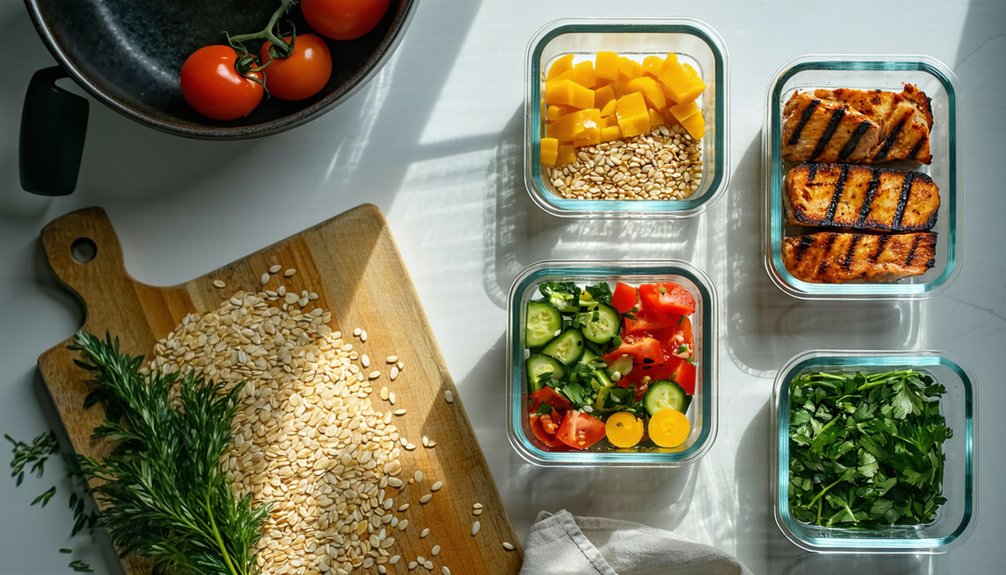
Set yourself up for the week by batch-cooking a few core components once, then mixing and matching them into lunch bowls all week long.
Cook quinoa with 3 1/2 cups water per serving, or try grain swaps like couscous or riced cauliflower when you want variety without extra prep time.
Roast vegetables at 400°F for 30–40 minutes on extra-large sheets, adjusting timing by type—beets need 40 minutes, Broccolini just 20.
Add tofu, shredded chicken, or hummus for protein, then store everything in airtight containers for up to 4 days.
Sauce storage matters here: keep dressings separate from grains until you’re ready to eat.
Whisk tahini, lemon juice, and maple syrup, then spoon it on fresh to keep textures sharp and flavors bright.
Sneak More Movement Into Your Workday
Once your lunch bowls are handled, the next piece of a healthier week comes down to how much you move between meals. Set a timer for every 60 minutes, forcing yourself up for a stretch, a walk, or a set of desk pushups. Take stairs instead of elevators, park farther out, and pick the water cooler across the office to rack up extra steps.
Swap sitting for walking meetings whenever you can—your best ideas often surface while you’re moving anyway. If a meeting doesn’t require a screen, take the call standing or pacing the hallway.
At your desk, fidget friendly furniture makes staying active effortless: bounce your knee, shake your arms, or march in place while you work. Small movements add up fast.
Break Up Long Sitting Spells With Micro-Stretches
Regularly breaking up long sitting spells doesn’t require a full workout—just consistent micro-stretches. Follow the 30:1 rule: for every 30 minutes you’re stagnant, give your body at least one minute of stimulation. Set a timer for every 20 minutes and take a quick 30-to-60-second break, then aim for a longer 1-to-2 minute reset every 30 to 60 minutes.
Start with neck mobility—shrug your shoulders back and around for 10 to 30 seconds, then gently tilt your ear toward your shoulder for 15 seconds. Next, work in a hip opener: cross one ankle over your knee and fold forward for 15 to 30 seconds, releasing tension that builds from sitting.
Your goal isn’t exhaustion—it’s a light “glow” that keeps you free and energized all day.
Order Smarter When You’re Eating Out
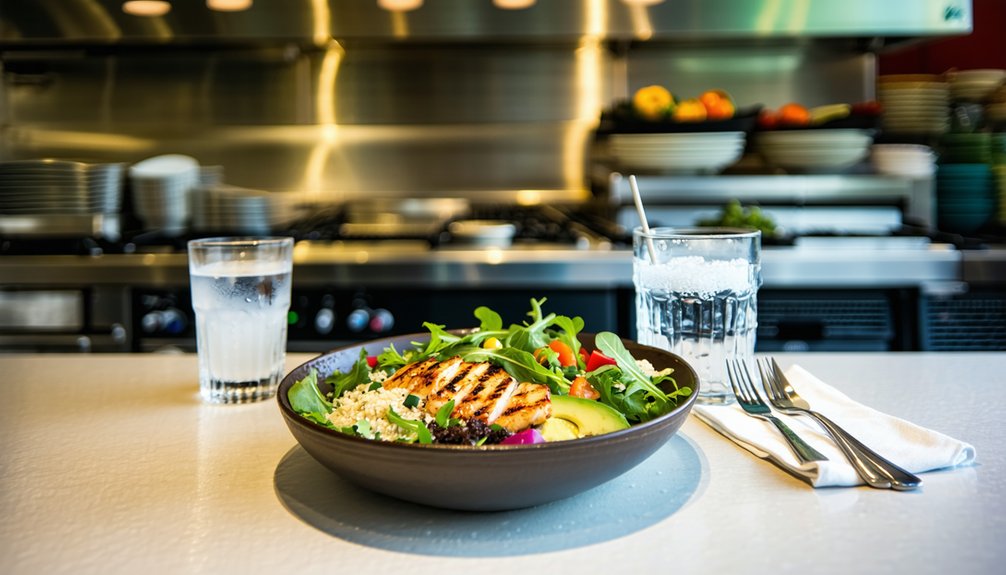
Just as those quick stretch breaks keep your body from stalling out during a busy day, a little planning keeps your nutrition on track when you’re eating out.
Check the menu online before you go, and practice menu decoding by spotting words like grilled, light, or fresh—and looking for calorie counts or the Heart-Check mark. At the table, ask questions: how’s it prepared, and can sauces or dressings come on the side?
Master simple portion swaps: trade fries for a salad, white rice for brown, or split an entree in half before you dig in. Fill half your plate with vegetables, the rest with lean protein and whole grains.
Stick to water or unsweetened tea, eat slowly, and enjoy the freedom of eating out without derailing your goals.
Make Fast Food Choices That Won’t Derail You
Drive-thru lines don’t have to wreck your progress. Make grilled swaps your default—grilled chicken over crispy, roasted meats over fried. Skip the double stack and stick with a single burger; portion control matters more than the menu itself. Choose a 6-inch sub instead of a foot-long, or ditch the bun altogether for a bowl.
Load up on vegetables where you can, and ask for sauces on the side so you control how much hits your plate. Mustard, salsa, or hot sauce add flavor without the calorie hit of mayo or creamy dressings.
Swap fries for a side salad or fruit cup, and drink water instead of soda. Fast food doesn’t have to sabotage you—smart choices keep you in charge.
Build Habits That Actually Stick Long-Term
When motivation fades, structure keeps you moving—so pick one tiny habit that actually matters to you. Choose a value driven habit, not a trendy one, and shrink it until it’s laughably easy: a two-minute stretch, one glass of water. Anchor it to something automatic—brush your teeth, then stretch. Use “if-then” planning so there’s no decision left to make.
Next, set environmental cues that do the work for you: workout clothes by the door, fruit on the counter, a sticky note where you’ll see it. Track your streak visually and reward yourself immediately—savor that tea, feel that satisfaction.
Finally, build support. Tell a friend, join a group, and let this habit become part of your identity, not just another task on a list.
Frequently Asked Questions
How Do I Stay Motivated When Meal Prepping Feels Overwhelming at First?
Start small—prep just one ingredient or recipe instead of a full menu. Grab an accountability buddy to check in weekly. You’ll build momentum fast, ditch the overwhelm, and reclaim your time without guilt.
What if My Family or Roommates Don’t Want to Eat the Same Meals?
Cook a base of proteins, grains, and veggies separately, then let everyone mix and match to build their own plate. Customizable portions mean you’re not cooking multiple meals—just one flexible spread that satisfies all.
How Can I Meal Prep Healthy Food on a Tight Budget?
Lean on budget staples like beans, lentils, and rice, then batch cooking on Sundays: roast proteins, cook grains, prep veggies. You’ll build freedom into your week—affordable, nourishing meals ready whenever hunger strikes, no stress required.
What Should I Do if I Don’t Have Time to Exercise at All?
Squeeze in micro break stretches between tasks and run quick desk circuits—squats, calf raises, chair push-ups. You don’t need a gym or a schedule to reclaim your body; two minutes here and there sets you free.
How Do I Handle Social Pressure to Eat Unhealthy at Gatherings?
Say a firm “no, thanks” without explaining, use polite exits when pressure builds, and offer healthier swaps like your own dish. You’re free to enjoy the gathering on your own terms—no guilt required.
Conclusion
You don’t need a perfect schedule to eat well and move more—you need systems that work when life gets hectic. Plan your meals, stock your kitchen, prep in batches, and stretch between tasks. Choose smarter at restaurants and drive-thrus when time’s tight. Small, consistent habits beat occasional perfection every time. Start with one change this week, build from there, and you’ll create routines that actually stick.
References
- https://www.health.harvard.edu/blog/real-healthy-dinners-busy-people-2017112912794
- https://metroymca.org/blog/healthy-eating-busy-schedule
- https://www.hopkinsmedicine.org/health/wellness-and-prevention/how-to-eat-healthy-when-you-have-no-time
- https://www.reddit.com/r/aspergirls/comments/17e6j7w/any_tips_for_healthy_meals_movement_while_having/
- https://www.chhs.colostate.edu/krnc/monthly-blog/tips-for-eating-smart/
- https://www.nutritionist-resource.org.uk/articles/eating-well-around-a-busy-schedule
- https://www.lizshealthytable.com/2019/03/22/30-meal-planning-tips-for-busy-families/
- https://thegirlonbloor.com/meal-prep-busy-people/
- https://nutritionsource.hsph.harvard.edu/meal-prep/
- https://www.doctorsbariatricandsurgical.com/healthy-living/blog/meal-prepping-with-a-busy-schedule

