
You’ll get the biggest heart and brain benefits from EPA and DHA, found in fatty fish like salmon, sardines, and mackerel—aim for two servings weekly. Plant sources like flaxseed, chia, and walnuts provide ALA, though your body converts it inefficiently. Omega-3s lower triglycerides, reduce inflammation, and support memory and hippocampal volume. Food beats supplements for most people, but certain conditions warrant them. Keep going to learn exactly how much you need and which foods work best.
TLDR Key Takeaways
- Eat two weekly servings of low-mercury fish like salmon, sardines, or mackerel for heart and brain benefits.
- Choose plant sources like walnuts, flaxseed, and chia seeds to boost ALA intake alongside seafood.
- Prioritize EPA/DHA for triglyceride control and cognitive support since ALA conversion is inefficient.
- Grill, bake, or broil fish instead of frying to preserve beneficial omega-3 fatty acids.
- Swap red meat for fatty fish twice weekly and snack on walnuts instead of chips.
What Are Omega-3 Fatty Acids, Exactly?
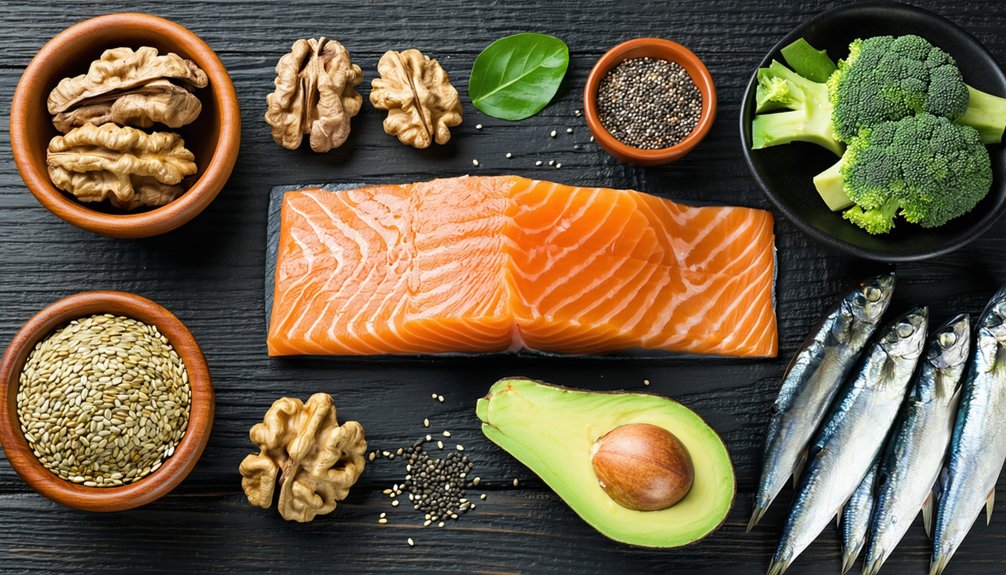
Imagine a nutrient your body needs to survive but can’t manufacture on its own—that’s an omega-3 fatty acid. This polyunsaturated fat depends entirely on what you eat; your body simply can’t synthesize it internally. You’ve got to source it from fatty fish, flaxseed, chia seeds, and certain oils—dietary bioavailability isn’t optional here, it’s mandatory.
Structurally, you’re looking at a carbon chain with a carboxyl group on one end and a methyl group on the other. The molecular nomenclature “omega-3” tells you exactly where the action happens: the first double bond sits three carbons from that methyl end. Two main types exist within this family, omega-3 and omega-6, each defined by where that first double bond falls along the chain.
This isn’t trivial chemistry—it’s foundational. Omega-3s become part of your cells’ membrane structure, giving them integrity and letting them communicate properly. Without this fat, cellular function breaks down. These fatty acids are especially concentrated in the eyes and brain, underscoring their importance to these organs. In fact, this essential nutrient was first identified back in 1929 when researchers discovered the deficiency syndrome that results from its absence.
EPA, DHA, and ALA: Why the Differences Matter
Not all omega-3s are created equal, and their carbon chain length tells you why. ALA holds 18 carbons, making it a short-chain omega-3 you must get from food—your body can’t produce it.
EPA and DHA, with 20 and 22 carbons respectively, are long-chain omega-3s offering superior bioavailability.
Here’s the catch: your body converts ALA to EPA/DHA with dismal conversion efficiency. You’d need over 20 g/day of ALA to match the benefits of just 2–4 g/day of EPA/DHA directly. That’s not practical.
Each form plays distinct roles. EPA targets triglycerides and blood pressure. DHA builds brain structure and cuts dementia risk. ALA supports LDL-cholesterol. In fact, one randomized trial found that an EPA/DHA-rich diet actually raised LDL-cholesterol compared to an ALA-rich diet. Notably, high-dose EPA/DHA supplementation of ≥1 g/day has also been linked to a small but consistent increase in atrial fibrillation risk, particularly in older adults. Most organizations actually recommend only about 250–500 mg combined EPA and DHA per day for general health. Skip the guesswork—get EPA and DHA directly from fatty fish or algae oil.
Best Fish Sources for Omega-3s
Load up your plate with the right fish, and you’ll hit your omega-3 targets fast. Atlantic mackerel, wild salmon, sardines, herring, and anchovies each pack over 1,000 mg of EPA+DHA per 4-ounce cooked portion. You don’t need exotic ingredients—just consistent, smart choices.
Sardine recipes are an easy win: they’re cheap, portable, and deliver 0.9 grams of omega-3s per can while staying low in mercury.
For safety, prioritize low-mercury options like wild Alaska salmon, rainbow trout, oysters, and sablefish. If you’re unsure about a specific catch, mercury testing data can guide your decisions, especially if you’re pregnant or breastfeeding. Cooking method also matters, since grilling, broiling, or baking are healthier choices than deep-frying. Frying fish at high temperatures can actually reduce its beneficial nutrients. Aim for two servings weekly—your heart, brain, and eyes benefit directly from this simple, non-negotiable habit. Take control of your plate. Beyond fish, oysters stand out for their mineral content, with six raw eastern oysters providing 289% DV zinc.
Top Plant-Based Omega-3 Foods to Try
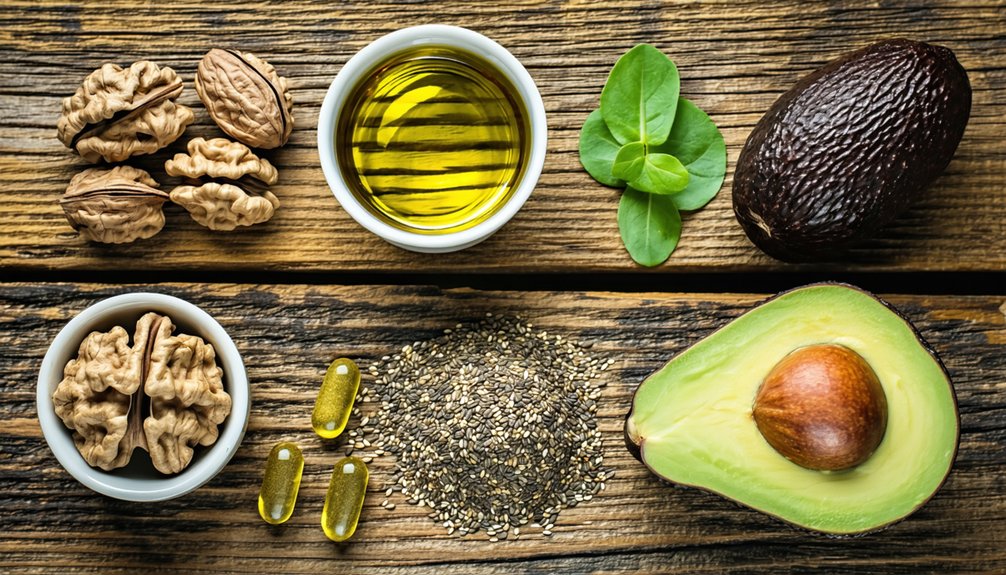
Skip the fish altogether, and you can still hit your omega-3 targets with the right plant foods. Ground flaxseed gives you 6.7 grams of ALA per tablespoon of oil, while chia seeds pack roughly 5,000 mg per ounce—both easy wins sprinkled on oats or blended into smoothies.
Perilla benefits stand out here: up to 60% ALA content translates to 8 grams of omega-3 per ounce, making it one of the most concentrated seed sources you’ll find.
For walnut swaps, one serving (14 halves) delivers 2,570 mg of omega-3s—an entire day’s requirement in a handful. Round things out with hemp seeds, edamame, or purslane, and you’ve built a fish-free omega-3 strategy that actually works. Hemp seeds also bring extra nutritional value beyond omega-3s, offering protein, magnesium, iron, and zinc. Your body can also convert ALA from these plant foods into the longer-chain EPA and DHA it needs for brain and heart function, which is especially important because pregnancy, breastfeeding and childhood rely heavily on these fats for proper brain, nerve and eye development.
How Omega-3s Protect Your Heart
Your heart reaps measurable benefits from omega-3s, backed by data from over 149,000 participants showing a 7% drop in cardiovascular mortality.
You’ll cut non-fatal heart attack risk by 13% and slash sudden cardiac death odds by nearly half.
These fats work by lowering triglycerides 20-30%, easing your liver’s VLDL output, and speeding fat clearance from your blood.
Your arteries benefit too. Omega-3s enhance arterial compliance, letting vessels flex better under pressure, while nitric oxide release improves flow-mediated dilation.
You’re not just managing symptoms—you’re addressing root causes.
Inflammation drops as omega-3s modify eicosanoid production, supporting plaque stabilization and slowing arterial blockage. The American Heart Association recommends eating at least two servings of omega-3-rich fish each week to help achieve these protective effects.
Add reduced arrhythmia risk and lower heart failure odds, and you’re building real, lasting protection—one that frees you from unnecessary cardiac risk.
How Omega-3s Boost Your Brain and Memory
While your heart benefits from omega-3s in measurable ways, your brain responds just as powerfully. Studies show omega-3 supplementation enhances primary memory (SMD: 0.77) and perceptual speed (SMD: 0.89)—your mind processes and recalls information faster. Higher EPA and omega-3 index levels correlate with sharper delayed recall and quicker Stroop test performance.
Beyond speed, omega-3s drive neural plasticity by preserving white matter volume and entorhinal cortex thickness—regions essential for memory formation. DHA strengthens synaptic efficiency, enhancing neurotransmitter release and signal transmission between neurons. This means clearer thinking, faster reactions, and stronger memory retention. A Framingham Heart Study analysis of midlife adults found that higher omega-3 levels were linked to larger hippocampal volumes, a brain region critical for memory.
You’re not just protecting your brain from decline—you’re actively upgrading its performance. Omega-3s reduce inflammation, support mood, and shield you from neurodegenerative threats, freeing your mind to function at its sharpest, most resilient capacity. Research indicates fish oil provides the most meaningful cognitive benefits when introduced during early stages of cognitive decline, rather than after significant impairment has already set in.
How Much Omega-3 Do You Need Daily?
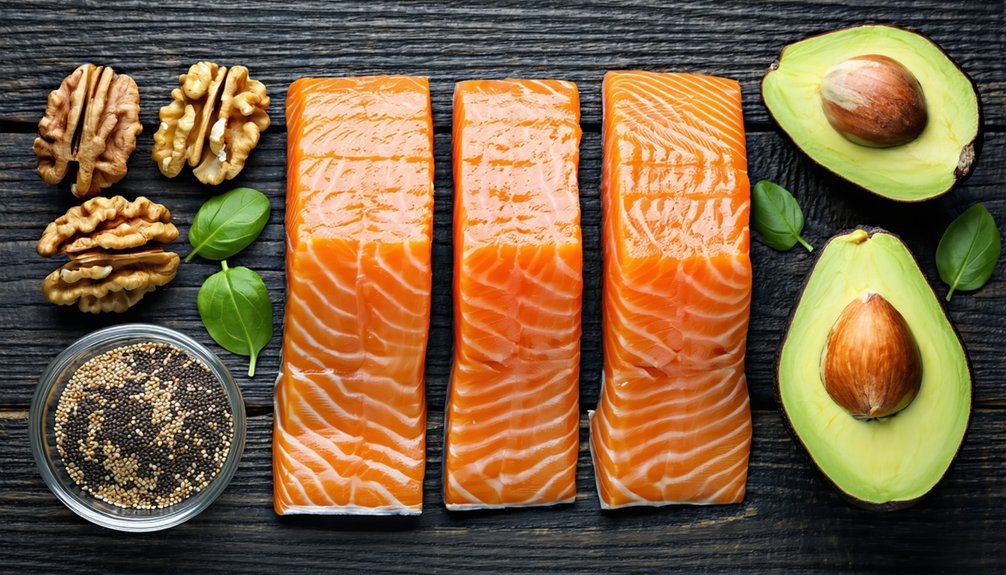
Because needs vary by health status and life stage, omega-3 requirements aren’t one-size-fits-all. For healthy adults, your daily targets sit at 250–500 mg combined EPA and DHA—roughly 8 ounces of fatty fish weekly. If you’re managing coronary heart disease, aim for 1,000 mg daily. High triglycerides call for 4,000 mg, under professional guidance. Want lower blood pressure? Research points to 2–3 grams daily.
Plant-based eaters need ALA: 1.6 g for men, 1.1 g for women. Pregnant or nursing? Add 200–300 mg extra DHA daily, plus 1.4 g ALA.
Intake timing matters less than consistency—your body uses omega-3s cumulatively. Stay under 5,000 mg daily, and you’re free to build a routine that actually fits your life.
AHA Omega-3 Fish Guidelines Made Simple
Two servings of fish a week form the backbone of the American Heart Association’s recommendation for most adults. You don’t need complicated math to follow it—just build simple portion guidance into your routine. Aim for two 3.5-ounce servings, roughly the size of a deck of cards, and prioritize fatty fish like salmon, mackerel, herring, or sardines.
If you’re moving from zero seafood meals to one or two weekly, you’re already cutting your coronary heart disease risk markedly. That’s where meal planning becomes your tool for freedom, not restriction. Swap one or two meals a week for non-fried fish or shellfish, and you’ll hit the target without overhauling your entire diet.
Keep it simple: twice weekly, palm-sized portions, fatty varieties first.
Should You Take Omega-3 Supplements Instead?
A tempting shortcut exists once you know the fish targets: just pop a pill instead. Skip it. Research shows food beats supplements for general heart health—fresh fish improves your lipid profile better than capsules ever will.
Supplements only earn their keep if you already have coronary heart disease, high triglycerides, or rheumatoid arthritis. For everyone else, trials against placebos show no benefit, and high doses carry real risks: bleeding, stroke, atrial fibrillation.
There’s also a cost comparison worth considering—quality fish delivers nutrients supplements can’t replicate, without the added price tag. Plus, supplement regulation is looser than you’d expect; potency and purity vary widely between brands.
Bottom line: eat real fish first. Save supplements for genuine medical need, not convenience.
Finding a Safe Supplement Dosage
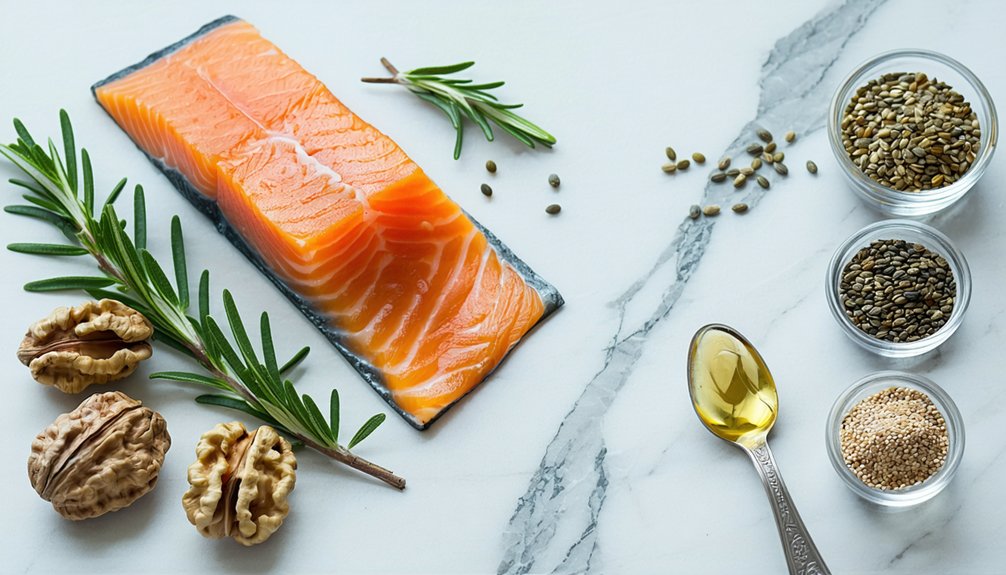
Dosage isn’t one-size-fits-all—it depends on why you’re taking omega-3s in the first place.
For general health, 250–500 mg of combined EPA and DHA covers your basics.
If you’re managing high triglycerides or arthritis, you may need 2,600–4,000 mg daily, but only under medical supervision.
FDA and EFSA cap safe supplemental intake at 5,000 mg/day, and going beyond that isn’t smart without a healthcare provider’s input.
Watch your dosage timing—splitting doses with meals improves absorption and reduces stomach upset.
Don’t ignore supplement interactions either; omega-3s can thin your blood, so combining them with blood thinners or high-dose aspirin needs a doctor’s guidance.
Know your numbers, know your reasons, and take control of your own health decisions.
Can Omega-3s Ease Anxiety and Depression?
Because your brain runs on fat, what you eat directly shapes how it handles stress. Omega-3s anxiety relief isn’t hype—it’s biochemistry. Depression mechanisms tied to oxidative stress, inflammation, and disrupted neurotransmission all respond to consistent omega-3 intake. EPA and DHA cut lipid peroxidation, enhance antioxidant enzymes, and support BDNF production, giving your brain the tools to repair and adapt.
The numbers back this up: 2 g/day delivers the strongest anxiety reduction, while 1-2 g/day of EPA+DHA helps ease depressive symptoms, especially when EPA makes up most of the blend. Effects are strongest if you’re dealing with clinical-level symptoms.
You don’t have to choose between food and medication, either—omega-3s paired with antidepressants often outperform either approach alone.
Easy Ways to Add More Omega-3 Foods This Week
Ready to switch up your plate? Small meal swaps this week can transform your omega-3 intake without overhauling your routine. Swap red meat for salmon or mackerel twice weekly, and cook with canola oil instead of standard vegetable oil. Sprinkle ground flaxseed or chia seeds over your morning oatmeal for an instant lift. Choose omega-3–fortified eggs to upgrade a food you’re already eating daily.
For snack hacks, grab seven walnut halves instead of chips, or try nori strips for a portable, savory fix. Blend spirulina into your smoothie or snack on edamame for a plant-based option. These aren’t drastic changes—they’re strategic swaps that fit your life, freeing you to build heart and brain health on your own terms.
Frequently Asked Questions
Can You Take Too Much Omega-3 and Experience Side Effects?
Yes, you can take too much omega-3. You’ll risk excess bleeding above 3 grams daily, plus prolonged high doses may trigger immune suppression, weakening your infection defenses. Stick to recommended limits—you deserve results without unnecessary health tradeoffs.
Do Omega-3 Supplements Interact With Blood-Thinning Medications?
Yes, omega-3s can interact with blood thinners like warfarin, raising bleeding risk. You’ve got the power to use supplements wisely—talk to your provider about medication interactions, know your dose, and stay informed to protect your freedom and health.
Is Cooking Fish Reducing Its Omega-3 Content Significantly?
It depends entirely on your cooking methods. You’ll lose 70-85% of omega-3s deep frying, but steaming, baking, or poaching preserve up to 97% nutrient retention. Choose gentle techniques, and you’re free to enjoy fish without sacrificing its benefits.
Can Vegetarians Get Enough Omega-3s Without Fish Oil?
Yes, you can. Load up on plant sources like flaxseeds, chia, and walnuts for ALA, then add algae supplements for direct EPA/DHA. You’ll skip fish oil entirely while still protecting your heart and brain.
How Long Until Omega-3 Benefits Become Noticeable?
You’ll notice subtle shifts within 10 days, but your real onset timeline runs 8-12 weeks. Stay consistent, and you’ll hit measurable outcomes—lower triglycerides, eased joint pain, sharper mood—freeing you to trust your body’s evidence-based progress.
Conclusion
You don’t need a complicated plan to enhance your omega-3 intake—just consistent, small choices. Add fatty fish twice a week, toss chia or flax into your breakfast, and snack on walnuts when you can. If you’re not hitting those targets, a supplement can fill the gap. Your heart and brain both benefit from steady omega-3 intake, so start with one swap this week and build from there.
References
- https://www.healthline.com/nutrition/17-health-benefits-of-omega-3
- https://www.health.harvard.edu/diet-and-nutrition/omega-3-foods-incorporating-healthy-fats-into-your-diet
- https://www.heart.org/en/news/2021/11/08/two-omega-3s-in-fish-oil-may-boost-brain-function-in-people-with-heart-disease
- https://massivebio.com/omega-3-fatty-acids-heart-and-brain-health-bio/
- https://my.clevelandclinic.org/health/articles/17290-omega-3-fatty-acids
- https://www.bhf.org.uk/informationsupport/heart-matters-magazine/nutrition/omega-3s-and-your-heart
- https://pmc.ncbi.nlm.nih.gov/articles/PMC9641984/
- https://ods.od.nih.gov/factsheets/Omega3FattyAcids-HealthProfessional/
- https://www.yahoo.com/news/add-5-foods-diet-boost-024546953.html
- https://en.wikipedia.org/wiki/Omega−3_fatty_acid

