
You can improve your indoor air quality by tackling a few key habits: open windows daily for 10-15 minutes, test for radon and carbon monoxide, and vacuum with a HEPA-sealed system weekly. Cut back on candles, incense, and harsh cleaning products that release VOCs. Keep humidity between 30-50% to prevent mold, and swap in low-VOC materials when you can. These small changes add up—stick around for the details that make them work.
TLDR Key Takeaways
- Ventilate daily by opening windows 10–15 minutes, especially after cooking or showering, to flush stale air.
- Test for radon periodically, since it’s a leading indoor pollutant with no known safe exposure level.
- Watch for warning signs like musty odors, visible mold, condensation, or symptoms that ease after leaving home.
- Reduce combustion pollutants by avoiding smoking indoors and maintaining stoves, fireplaces, and heating systems properly.
- Install carbon monoxide alarms and schedule professional inspections for HVAC systems, plumbing, and hidden moisture sources.
What’s Actually Polluting the Air in Your Home?
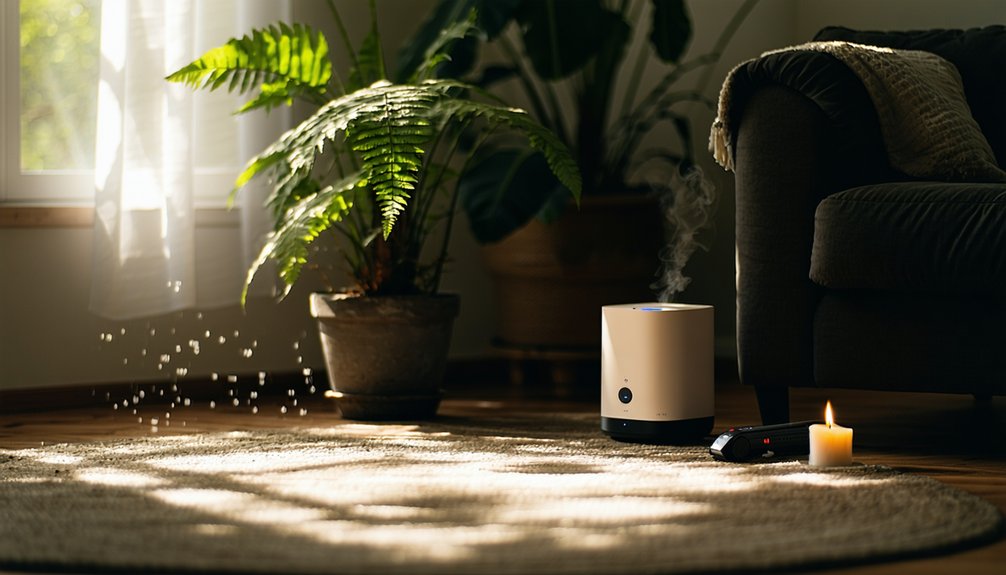
When you burn oil, gas, kerosene, coal, or wood in your home, you’re releasing carbon monoxide, nitrogen dioxide, and fine particles into the air you breathe. Your cigarette, cigar, or pipe smoke adds to that toxic load. Malfunctioning combustion devices poison you silently—symptoms mimic a cold, so you often miss the real cause.
Your building materials aren’t innocent either. Pressed wood furniture releases formaldehyde. Old paint sheds lead dust. Damaged insulation scatters asbestos fibers you can’t see.
Your cleaning products, paint strippers, and air fresheners pump VOCs into rooms where cooking emissions and household plants coexist unnoticed. Dust mites, mold, and pet dander trigger reactions you might blame on allergies. Poor ventilation makes matters worse, since a low air exchange rate lets these pollutants build up to higher concentrations indoors.
Radon seeps in from outside. This colorless, odorless gas forms from the natural decay of uranium in soil and rock, entering your home through cracks in concrete and dirt floors. You’re breathing air two to five times more polluted than what’s outdoors—know this, and you reclaim control. Installing carbon monoxide (CO) alarms adds another layer of protection against this invisible threat.
Why Poor Indoor Air Quality Affects More Than Your Lungs
You breathe polluted air into your lungs, but it doesn’t stop there—it enters your bloodstream and travels throughout your body.
Pollutants trigger systemic inflammation, raising your blood pressure and heart rate while increasing your risk of cardiovascular disease. Short-term ozone exposure alone has been linked to increased blood platelets and elevated blood pressure, with effects occurring at levels below current EPA air quality standards.
Your brain isn’t spared either. High CO2 levels slow your decision-making, and long-term exposure causes mental fatigue, headaches, and dizziness that chip away at your cognitive edge.
Mold and allergens provoke immune responses, worsening asthma and allergic rhinitis, especially in children and the elderly. These same allergens are common asthma triggers found throughout many homes.
This isn’t just about clean air—it’s about reclaiming your body’s ability to function fully. When you address indoor air quality, you’re protecting your heart, your mind, and your freedom to live without invisible limits holding you back.
Signs Your Indoor Air Quality Needs Attention
Often, your body notices bad air before your mind does. Headaches, fatigue, dry eyes, and a scratchy throat aren’t random—they’re signals. Notice if symptoms fade once you step outside, then return indoors. That pattern points straight to your air. Sometimes these sudden symptoms appear the moment you walk into a specific room, which suggests a localized pollutant source worth investigating.
Your senses catch clues, too. Musty odors, stale rooms, or chemical smells mark odor hotspots worth investigating. Visible mold, water stains, or condensation on windows confirm what your nose already suspects. Areas where books, footwear, or cupboards develop mold are another telltale sign of excess moisture.
Your HVAC system tells its own story. Dirty filters, deferred maintenance, or damaged flues quietly poison the air you breathe daily. Sudden headaches, nausea, dizziness, or drowsiness can even signal carbon monoxide poisoning and should never be ignored.
Don’t rely on guesswork alone. Run occupant surveys among household members to track when and where symptoms strike. Patterns reveal problems faster than assumptions—giving you the clarity to reclaim control over your home’s air.
Test Your Home for Radon, Lead, and Carbon Monoxide
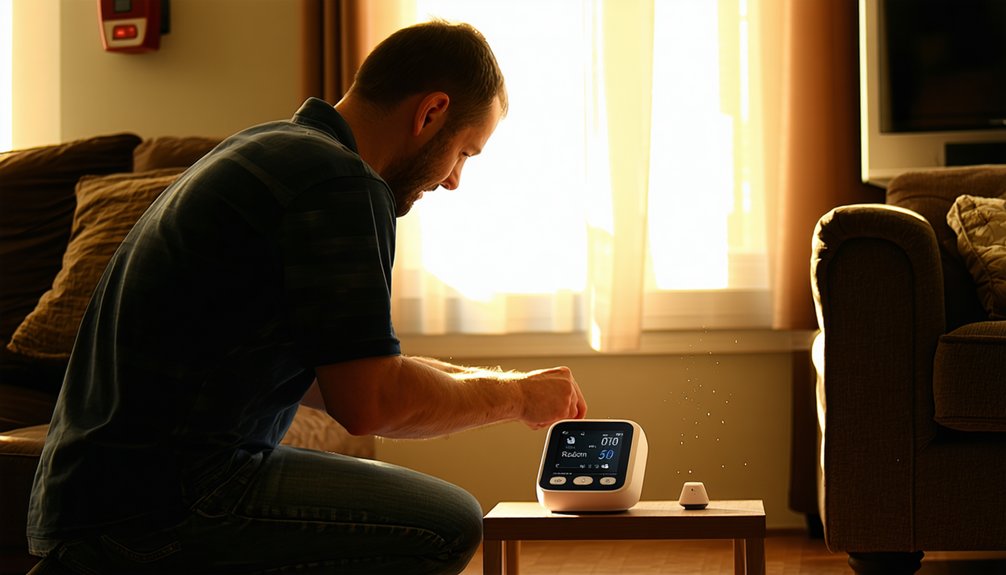
Symptoms and smells only tell part of the story—some of the most dangerous indoor pollutants give no warning signs at all. Radon, lead, and carbon monoxide demand direct testing, not guesswork.
For radon, place your device in the lowest level, three feet off the ground, away from vents, windows, and drafts. Seal the space for 12 hours beforehand and run short-term tests for 2–90 days.
Seasonal testing matters: radon spikes in winter, so test between November and March. Results at 4 pCi/L or higher require mitigation; retest after fixes. There is no known safe level of radon, so the goal is always to reduce levels as much as possible. Since a single test isn’t always conclusive, it’s best to complete two tests before making a final decision on mitigation.
Lead testing means collecting tap water samples through your local water department. Carbon monoxide requires professional calibration—consumer kits can’t match the sensitivity professionals bring. If your radon results are elevated, you can find licensed radon measurement and mitigation professionals through your state’s regulatory agency listings. Knowledge is power; testing gives you control over your home’s air.
Open Your Windows: The Simplest Fix for Fresher Air
While testing devices catch hidden threats, opening your windows tackles everyday pollutant buildup with zero equipment required. Just 10–15 minutes daily flushes out stale air, and a 10-minute purge after cooking or showering beats leaving a gap open all day.
Cross ventilation benefits matter most: open windows on opposite walls to create airflow that clears pollutants faster than a single cracked window. Try the stack effect—low windows for cool intake, high ones for warm escape—for efficient exchange with minimal heat loss. In fact, just 5–10 minutes of cross ventilation can bring indoor CO2 levels back below 800 ppm after a home has been closed up for days.
Timing strategies make the difference between fresh air and unwanted exposure. Ventilate early morning or after rain for lower pollen, skip it when AQI tops 100, and in winter, choose midday warmth before closing up for the night. This same early-morning or post-rain window is also ideal because it naturally limits outdoor-allergen entry into your home. Beyond timing, this simple habit can also sharpen your mind, as research links reduced indoor pollutants to improved decision-making and mental performance.
Ventilation and Indoor Air Quality: How Much Do You Need?
Since opening windows only goes so far, you need actual numbers to know if your home’s air exchange is adequate.
ASHRAE 62.2-2016 sets the baseline: 0.35 air changes per hour, plus 15 cfm per person, minimum. These ventilation rates combine mechanical airflow with natural infiltration—you don’t need mechanical systems if your unbalanced rate stays at or below 15 cfm.
Kitchens and bathrooms demand more: range hoods pull 100 cfm, other kitchen fans hit 300 cfm or 5 ACH, bathroom fans need 50 cfm. Beyond removing cooking pollutants, this intermittent exhaust also helps control moisture and odors in these rooms.
If you’re running balanced systems, keep supply and exhaust fan flows within 20% of each other—true balance means averaging both rates.
Know your numbers, and you take control of what you breathe.
That’s real ownership over your space.
Control Humidity to Stop Mold Before It Starts
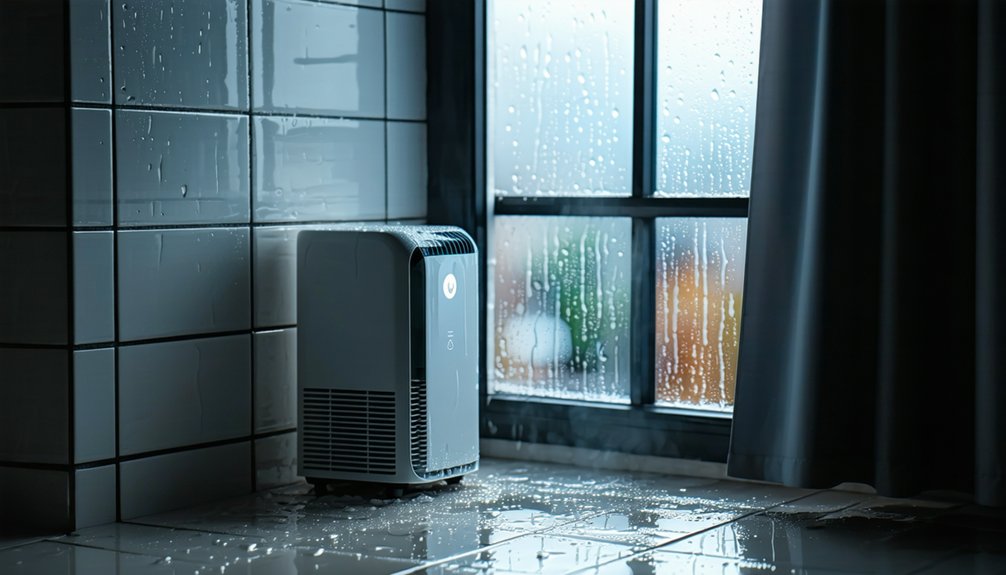
Keeping mold at bay starts with controlling humidity, not chasing spores after they’ve bloomed. Your target: 30%-50% relative humidity, with 35%-45% as the sweet spot for comfort and control.
Anything above 55% invites mold to thrive—get a hygrometer and track it year-round.
Spot ventilation does the heavy lifting where moisture originates. Run bathroom exhaust fans 15-30 minutes post-shower, use range hoods while cooking, and vent dryers straight outside. Only crack windows when outdoor RH sits below 50%.
Set dehumidifiers to 35%-45% in basements, run your AC on “auto fan,” and keep filters clean monthly. Address leaks within 72 hours and dry damp materials within 48.
Material selection matters too—insulate cold pipes and choose moisture-resistant surfaces where dampness lingers.
Fix Water Leaks Before They Damage Your Air Quality
Chase down leaks the moment you spot them—72 hours is your window before mold sets up shop.
Hidden plumbing failures don’t announce themselves; you have to hunt them down. Use moisture mapping with a meter to check wall cavities, under floors, and other cavities where water hides beyond surface appearances.
Early detection starts with habits: check under sinks regularly, notice slow drains before they worsen, and run water through unused drains to keep traps sealed against sewer gas.
Schedule professional plumbing inspections periodically—some leaks stay invisible until they’ve already caused damage.
You’re not being paranoid; you’re being proactive. Catching a leak early means you control the outcome instead of scrambling to fix contamination after mold’s already spread through your walls and your air.
Cut Back on Indoor Smoke, Candles, and Air Fresheners
Water isn’t the only invisible threat lurking in your air—what you burn and spray matters just as much. Scented candles, incense, and air fresheners release soot, VOCs, benzene, formaldehyde, and phthalates that push indoor particulate matter past safe thresholds. These pollutants trigger migraines, asthma, dermatitis, and long-term risks like heart disease and lung cancer. Even lead-core wicks can push airborne lead beyond EPA limits.
You don’t have to choose between comfort and health. Switch to scent free alternatives made from refined, uncolored wax, and skip synthetic fragrances entirely. When you burn candles, limit sessions to an hour or two, and use portable ventilation—fans or open windows—to clear VOCs fast. Snuff candles outdoors when possible. Small changes free you from unnecessary exposure.
Build a Cleaning Routine That Actually Reduces Allergens
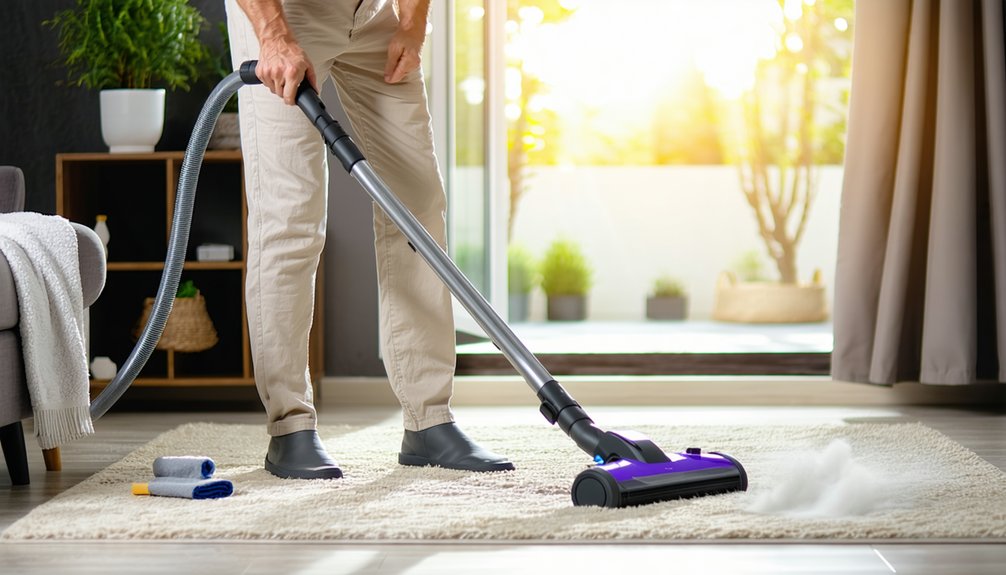
Allergens don’t just settle on surfaces—they cycle through your home’s air every time you walk across a carpet or fluff a pillow. Break that cycle with routine timing that actually matters: vacuum with a HEPA-sealed system once or twice weekly, hitting high-traffic zones hard. Skip feather dusters—they scatter particles instead of trapping them. Use a damp microfiber cloth on shelves, blinds, and fixtures weekly.
Your bedroom deserves stricter rules. Wash bedding in water above 130°F weekly, and encase mattresses and pillows in allergen-proof covers. Pet exclusion from sleeping areas isn’t optional if you want real relief—dander accumulates fast, even with closed doors. Store toys and collectibles in sealed bins instead of open shelves.
Consistency, not intensity, is what frees your lungs.
Pick Building Materials That Won’t Poison Your Air
Every gallon of paint, every sheet of plywood, every roll of insulation you bring into your home carries a chemical signature—and some of those signatures are toxic. Choose low-VOC paints, adhesives, and finishes—they’re widely available and won’t flood your air with pollutants.
Favor natural materials over synthetic ones; tested wood, stone, and fiber products consistently show lower formaldehyde and VOC emissions. Skip pressed wood when you can, or verify it meets ANSI formaldehyde standards.
Don’t take manufacturer claims at face value—look for third party certifications like FloorScore or CERTIFIED asthma & allergy friendly® to confirm real compliance. Air out new materials for 72 hours before installation, ventilate during and after applying finishes, and never store open paint cans indoors. Your air, your rules—make informed choices.
Air Purifier vs. Better Filter: What You Need
Once you’ve locked down safer materials, the next question is how you’re actually cleaning the air that moves through your home. HVAC filters passively trap dust, pollen, and pet dander as air flows through your system—they protect equipment and clean whole-home air, but only when the blower runs.
Air purifiers work differently: they actively destroy contaminants, handle odor adsorption through activated carbon, and tackle VOCs and gases filters can’t touch.
HEPA placement matters here—portable units polish a single room continuously, independent of your HVAC cycle. For everyday allergens, upgrade your filter to MERV 13. For smoke, mold, or viral concerns, add a dedicated HEPA purifier where you need it most, like your bedroom. Combining both gives you real control over what you breathe.
Frequently Asked Questions
How Often Should I Replace My HVAC Air Filter Each Year?
You’ll typically replace filters every 30 to 90 days, depending on filter lifespan and type. Check monthly, adjust replacement frequency for pets, allergies, or heavy HVAC use, and reclaim cleaner, freer-breathing air in your home.
Can Houseplants Actually Improve Indoor Air Quality Significantly?
No—you’d need an indoor forest for real VOC removal. Ventilation beats plants easily. But don’t ditch them: you’ll gain aesthetic benefits, stress relief, and humidity increases. Enjoy plant care for joy, not purification claims.
How Long Does a Radon or CO Test Take to COmplete?
You’ll get radon results fast: short tests run 2-7 days, then head to a professional lab for analysis. CO’s different—you’ll see instant readings on your detector, no waiting, no lab needed. Freedom through quick answers!
Is It Safe to Run an Air Purifier All Day, Every Day?
Yes, you’re free to run it all day. Continuous operation is safe if it doesn’t produce ozone. Use sleep mode to keep noise levels low overnight, and let smart settings handle the rest automatically.
What’s the Ideal Indoor Humidity Percentage for Preventing Mold?
You’ll want to keep humidity between 30% and 50%, with 35%-45% as your ideal range. Staying in this zone stops surface condensation, blocks mold growth, and frees you to breathe easier in a healthier home.
Conclusion
You don’t need a complete home overhaul to breathe cleaner air. Start small: crack a window, swap your HVAC filter, skip the scented candles, and test for radon. Build better habits around cleaning and material choices, then decide if an air purifier makes sense for your specific needs. Small, consistent changes add up—and your lungs, sleep, and long-term health will thank you for making them.
References
- https://www.niehs.nih.gov/health/topics/agents/indoor-air
- https://www.epa.gov/indoor-air-quality-iaq/introduction-indoor-air-quality
- https://health.clevelandclinic.org/indoor-air-quality
- https://www.epa.gov/report-environment/indoor-air-quality
- https://www.daikin.eu/en_us/daikin-blog/The-Importance-Of-Indoor-Air-Quality.html
- https://bernardmech.com/10-health-benefits-of-optimal-indoor-air-quality/
- https://www.gsa.gov/governmentwide-initiatives/federal-highperformance-buildings/highperformance-building-clearinghouse/health/buildings-and-health/enhancing-health-with-indoor-air
- https://www.epa.gov/indoor-air-quality-iaq/indoor-pollutants-and-sources
- https://www.cpsc.gov/Safety-Education/Safety-Guides/Home/The-Inside-Story-A-Guide-to-Indoor-Air-Quality
- https://archive.cdc.gov/www_atsdr_cdc_gov/csem/exposure-history/Indoor-Air-Pollution-Sources.html

