
Real hormonal imbalances are diagnosable conditions—thyroid disease, PCOS, menopause—confirmed through labs and symptoms, not vague “balance.” Wellness marketing exploits normal hormonal fluctuation, selling supplements and topicals that can’t touch systemic hormone levels. Most “hormone-balancing” products lack peer-reviewed backing and skip FDA regulation, risking inconsistent dosing or contamination. Myo-inositol for PCOS is a rare exception with solid evidence. You’ll find out exactly which claims hold up and which don’t below.
TLDR Key Takeaways
- “Perfect hormone balance” is a myth; hormones naturally fluctuate and no universal numeric target exists.
- Real hormonal disorders require persistent symptoms confirmed by physical exams, labs, and imaging over time.
- Wellness marketing uses vague terms like “balance” or “reset” without diagnostic pathways or measurable claims.
- Topical or cosmetic products cannot alter systemic hormone levels despite “hormone-balancing” marketing claims.
- Unregulated supplements risk inconsistent dosing, contamination, and health harms like clotting or liver damage.
What Does “Hormonal Imbalance” Actually Mean?

Let’s clear up something first: “hormonal imbalance” isn’t a single diagnosis you either have or don’t have. It’s an umbrella term covering countless ways your endocrine system can misfire—too much or too little of any hormone, at the wrong time, in the wrong sequence.
Your body relies on endocrine feedback loops: glands release hormones, receptors respond, and signals loop back to adjust production. With over 50 hormones acting like instruments in an orchestra, balance depends on precise timing and receptor sensitivity, not just raw hormone levels. If your cells can’t “hear” the signal properly, even normal hormone levels won’t function correctly. Detecting these disruptions often requires symptom review paired with targeted testing, since no single test can evaluate all hormones at once.
This complexity matters. It’s why you can’t fix “hormonal imbalance” with a single supplement or quick trend—your body’s system is far more intricate than that. In fact, some imbalances are so subtle they still require medical treatment to protect physical health, while others mainly chip away at quality of life. Left unaddressed, these subtler cases can still contribute to serious long-term risks like bone loss/osteoporosis.
Why Perfect Hormone Balance Is a Biological Myth
Because hormones are chemical messengers designed to fluctuate, not settle into a fixed state, chasing “perfect balance” misunderstands basic endocrine physiology from the start. Your levels shift with circadian variability, menstrual cycles, and stress responses—this isn’t dysfunction, it’s design.
With over 50 hormones interacting through feedback loops involving your brain, thyroid, and adrenals, there’s no universal number to hit. What works for your body reflects individual setpoints, not a template pulled from a wellness blog.
No supplement or detox can override this system, because your body already regulates it. The real goal isn’t equilibrium—it’s function. A physician’s role is to explain what’s happening in the body and why, not to force everyone toward the same fixed template. True hormonal abnormalities requiring treatment stem from specific conditions like autoimmune thyroid diseases or PCOS, not from a failure to achieve some mythical balance. Natural decline, such as the way testosterone peaks in the late twenties before continuously dropping with age, is a normal biological process rather than a defect to be perfectly corrected. Once you release the myth of a fixed ideal, you free yourself from an impossible, ever-shifting target that was never biologically real to begin with.
What Real Hormonal Disorders Look Like
While natural fluctuation is normal, actual hormonal disorders produce symptoms that are persistent, measurable, and disruptive to daily life. You’ll notice unexplained weight changes, fatigue, sleep disturbances, and heart rate abnormalities that don’t resolve on their own. Temperature intolerance and digestive shifts point to thyroid dysfunction, not passing discomfort.
For women, irregular periods, hirsutism, acne, and hot flashes signal real dysregulation. Men experience erectile dysfunction, gynecomastia, or declining muscle mass—clear markers of testosterone deficiency. These aren’t vague complaints; they follow symptom timelines that clinicians track over weeks and months.
Real diagnosis relies on diagnostic pathways: physical exams, lab tests, and imaging of the thyroid, ovaries, or pituitary gland. Because hormone levels naturally fluctuate, doctors may order repeated blood tests to confirm a true imbalance rather than a temporary shift. Left untreated, these conditions raise risks for cardiovascular disease, high blood pressure, and mood disorders—reasons precision matters more than trendy fixes. Effective management often requires multidisciplinary specialists who can coordinate care across endocrinology, gynecology, and internal medicine for complex hormonal cases.
How Wellness Marketing Hijacked “Hormonal Imbalance”
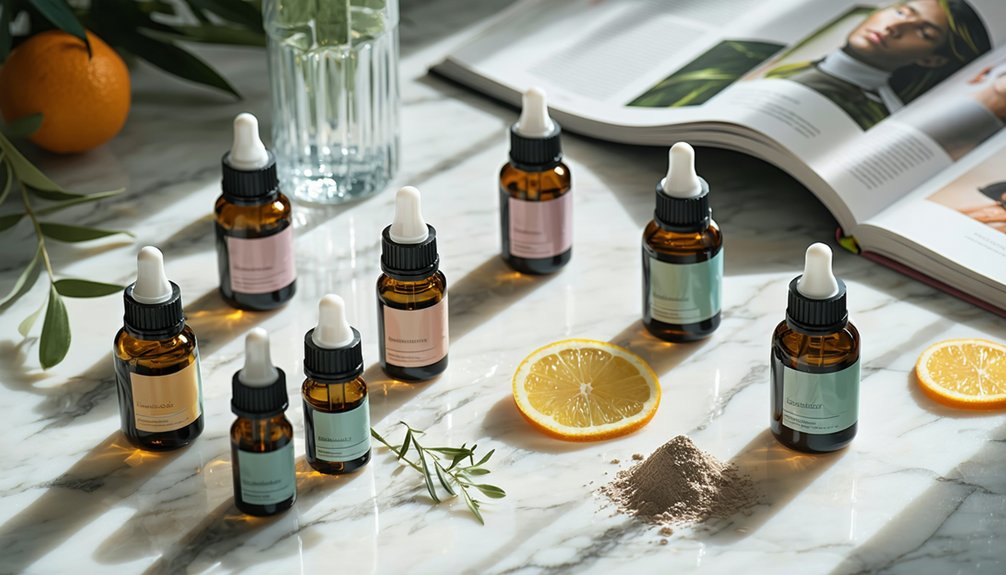
Real hormonal disorders follow diagnostic pathways—labs, imaging, symptom tracking over months.
“Hormone balancing,” by contrast, follows no such path. It’s a marketing invention, not a clinical one. Wellness brands borrowed the language of endocrinology, stripped it of meaning, and sold it back to you as a solution.
Marketing tactics rely on vague promises: “balance,” “harmony,” “reset”—words that sound scientific but describe nothing measurable.
No lab test confirms you’re “unbalanced.” No standard defines what “balanced” even looks like. That vagueness is the point—it lets any product claim to fix anything. This is precisely how a simple moisturiser gets relabeled as a hormone-balancing cream, despite the fact that no cosmetic applied to skin can actually change your oestrogen levels.
You deserve consumer skepticism as a tool of liberation, not distrust. Question labels. Question promises. This booming market of hormone-related products is projected to be part of a hot flush gold rush reaching billions of dollars in value by 2030. Even genuine clinical experts caution against these simplistic fixes, noting that hormones perform an intricate, shifting dance rather than settling into any fixed state of balance.
Real hormonal health is measurable, specific, and never sold in a jar labeled “balance.”
What’s Really Inside Hormone Balancing Books?
Crack open one of these hormone balancing guides and you’ll find a predictable formula: nutrition protocols pushing whole foods and glycemic control, lifestyle chapters on sleep hygiene and stress reduction, and lists of supplements promising to support “specific hormonal pathways.” You’ll get symptom trackers, worksheets, and charts explaining cortisol and melatonin in accessible terms.
What you won’t find is much substance behind the science-backed language. Peer-reviewed citations are rare. Ingredient sourcing for recommended supplements goes unaddressed—you’re left trusting brand claims blindly. Reader demographics skew toward women seeking answers their doctors haven’t given them, making them vulnerable to confident-sounding structures.
The modular format feels liberating, but structure isn’t proof. You deserve information that respects your intelligence, not just your attention span.
Why Unregulated Supplements Can Be Risky
Because the FDA doesn’t regulate over-the-counter hormone supplements, you can’t know exactly what’s in that bottle.
Compounded bioidentical preparations show wildly inconsistent estradiol concentrations, and without contamination testing, harmful substances can hide behind vague labels. This is what regulatory gaps look like in practice: no standardized testing, no guaranteed label transparency, no accountability. Manufacturers, not the FDA, bear responsibility for ensuring product safety and accurate labeling before these supplements ever reach store shelves.
The consequences are real.
Inconsistent dosing raises your risk of venous thromboembolism and endometrial cancer. Unregulated chasteberry or DHEA use can throw your hormones further off balance, sometimes irreversibly. Rather than chasing hormone-balancing supplements, many symptoms actually stem from lifestyle factors like poor sleep, chronic stress, and excess weight. Your body deserves better than guesswork.
Consumer education is your best protection here. Question sourcing, demand transparency, and recognize that “natural” doesn’t mean safe. Real freedom comes from informed choices, not blind trust in an unregulated market.
Do Hormone Balancing Supplements Actually Work?
How well do these supplements actually hold up under scrutiny? The answer depends on what you’re taking and why. Broad “hormone balancing” claims rarely survive rigorous testing—the 2023 Menopause Society position statement found no supplement outperforms a dietary placebo for menopause relief. That’s not a minor detail; placebo-controlled trials show a 30% drop in hot flashes from inactive pills alone.
But specific nutrients tell a different story. Myo-inositol combinations rival metformin for PCOS. Zinc improves insulin resistance. Vitamin D and magnesium support genuine hormone-related processes. Because supplements aren’t regulated like drugs, choosing options with third-party testing seals such as ConsumerLab, USP, or NSF helps confirm purity and potency. You deserve precision, not marketing hype.
Regulatory gaps make this messier: supplements skip FDA approval, so you’re left evaluating evidence yourself—separating targeted, research-backed nutrients from vague, unproven blends. Many endocrine glands depend on specific micronutrients, such as iodine and selenium, to properly synthesize thyroid hormone.
Black Cohosh, Red Clover, and the Placebo Effect
Why does black cohosh split researchers so sharply? A 2016 review of 511 women found no significant reduction in hot flashes. Yet a 2023 review of 22 studies pointed to real improvement in vasomotor symptoms, though not anxiety or mood. You’re not imagining the confusion—the data genuinely conflicts.
Here’s what’s changed: researchers no longer believe black cohosh works like estrogen. Instead, serotonergic mechanisms appear to drive its effects, influencing serotonin, dopamine, and GABA pathways rather than binding estrogen receptors. That’s a meaningful distinction if you’re trying to avoid hormone-mimicking compounds.
On liver safety, stay alert but not alarmed. Rare cases of liver damage exist, causality remains unproven, and most users tolerate it well. Watch for dark urine or fatigue, and trust your own data over hype.
The One Supplement Backed by Real Evidence
If you want less ambiguity, look at PCOS instead of menopause. Here, inositol efficacy isn’t in question. Myo-inositol and D-chiro-inositol, combined at a 40:1 ratio, restore hormonal balance where evidence actually holds up under scrutiny. You’re not chasing a placebo effect—you’re looking at a supplement that improves insulin sensitivity, addresses hyperinsulinemia, and enhances ovulation rates in women struggling with PCOS-related infertility.
The metformin comparison matters most: inositol performs clinically comparable to this standard prescription drug, without the same side effects. It also reduces hyperandrogenism symptoms like excess hair growth and acne by lowering circulating insulin.
This is what real evidence looks like. Your body deserves solutions backed by data, not wellness trends dressed up as science.
Hormonal Shifts During Puberty, Pregnancy, and Menopause

Before you can evaluate any hormone-balancing claim, you need to understand what’s actually happening biologically at each life stage.
Puberty starts when your hypothalamus releases GnRH, triggering LH and FSH to activate estrogen or testosterone production. Adrenarche—adrenal maturation that precedes gonadarche—drives pubic hair growth independently of ovarian or testicular hormones. You’ll notice sleep shifts, mood swings, and growth spurts as your whole system recalibrates.
During pregnancy, your placenta takes over estrogen and progesterone production after the first trimester, suppressing GnRH and gonadotropins to prevent ovulation while sustaining the uterine lining.
Menopause reverses this course: ovarian function declines, estrogen and progesterone drop, and menstruation stops after twelve consecutive months without ovulation.
None of these changes represent imbalance—they’re your biology doing exactly what it’s designed to do.
When Hormone Replacement Therapy Makes Sense
These natural shifts don’t need “fixing,” but sometimes symptoms genuinely disrupt your life—and that’s where HRT earns its place. Appropriate initiation matters: you don’t need to wait for severe symptoms or complete cycle cessation. If hot flashes, night sweats, or vaginal discomfort are stealing your quality of life, HRT is a legitimate answer—especially before age 60 or within 10 years of menopause onset, when benefits are strongest.
Osteoporosis prevention is another clear reason to contemplate it. If you’ve experienced premature or early menopause, HRT protects your bones, cutting spine bone loss by 50% and reducing fracture risk by 20-37%. This isn’t about chasing an ideal—it’s about treating real, documented symptoms with real, documented solutions.
Building a Hormone Health Routine That Works
Building hormone stability starts on your plate. Aim for 25–30 grams of protein per meal, half your plate in vegetables, and fiber from beans, avocados, and nuts. Meal timing matters—consistent eating patterns keep insulin and cortisol steady, so don’t skip meals or graze erratically.
Sleep hygiene is your next lever. Get 7–9 hours nightly, keep a fixed bedtime, and cut screens 2–3 hours before bed. Wind down with stretching or a warm bath, and let magnesium-rich foods like dark chocolate support deeper rest.
Move daily—30–45 minutes combining strength and cardio, plus a short walk after meals. Cut plastic containers, choose organic proteins, and manage stress with 10 minutes of mindful breathing. These aren’t extreme measures—they’re the foundation for reclaiming your hormonal freedom.
Frequently Asked Questions
Can Birth Control Pills Cause Long-Term Hormonal Imbalance After Stopping?
You’ll usually regain balance within three months, but you might experience menstrual irregularities and neurotransmitter changes for up to a year. Raised SHBG can persist too. Trust your body, track symptoms, and demand real answers—not guesswork.
Do Soy and Phytoestrogen-Rich Foods Disrupt Hormone Levels?
No—you can ditch soy myths. Plant estrogens modestly lower FSH/LH in premenopausal women without touching estradiol; postmenopausal effects are negligible. You’re not disrupting your hormones by eating tofu—you’re free to enjoy soy without fear.
How Do I Know if I Need to See an Endocrinologist?
You’ll know it’s time when you match a symptom checklist item: persistent fatigue, cycle irregularities, or abnormal labs. Trust referral criteria like TSH extremes or A1C over 8%—don’t wait for permission to seek answers.
Can Stress or Poor Sleep Actually Alter Hormone Test Results?
Yes—stress and sleep genuinely skew your results. Acute cortisol spikes distort ACTH, glucose, and TSH readings, while sleep-dependent variability raises prolactin. Don’t let a rough week define your baseline—retest rested, and reclaim accurate answers about your body.
Are At-Home Hormone Testing Kits Accurate or Worth Trying?
They’re not reliable enough to trust alone. You’re facing saliva limitations, DIY sampling errors, and single-snapshot results that can’t diagnose anything. Use them only alongside your doctor’s guidance—don’t let them dictate your health decisions.
Conclusion
Your hormones don’t need “balancing”—they need functioning organs, adequate sleep, and realistic expectations. Skip the $40 supplement blends promising to fix everything, and pay attention to actual red flags: missed periods, unexplained weight changes, extreme fatigue. If something feels wrong, get bloodwork and see an endocrinologist, not an influencer. Real hormonal health comes from consistent basics and proper medical care when needed, not from powders, teas, or wellness industry buzzwords designed to sell you something.
References
- https://pmc.ncbi.nlm.nih.gov/articles/PMC10347535/
- https://www.sciencedirect.com/science/article/abs/pii/S0277953622005482
- https://www.joinmidi.com/post/how-to-balance-hormones
- https://www.youtube.com/watch?v=WE-d7AAyBTM
- https://time.com/6277941/balance-hormones-cycle-syncing-myth/
- https://www.janahealthcare.com/blog/hormonebalancing-supplements-which-ones-have-real-scientific-backing-
- https://www.drmarkneumann.com/hormone-support-myths-debunked-what-science-really-says
- https://pmc.ncbi.nlm.nih.gov/articles/PMC7468963/
- https://www.ncbi.nlm.nih.gov/books/NBK562865/
- https://my.clevelandclinic.org/health/diseases/22673-hormonal-imbalance

